-
Contracts Without Guarantees: The Fate of Mercenaries in the Aggression Camp
History does not forgive traitors, and the occupier preserves loyalty to no one.
In the shadow wars that define modern proxy conflicts, the value of men is not measured by what they give, but by how long they remain useful in the calculations of those who hire them. Mercenaries—regardless of nationality, banners, or the nature of the missions assigned to them—share a single fate: a cold ending, written with the same ink of betrayal that signed their undeclared contracts. Once their utility expires, they are discarded from the equation like worn-out tools that no longer serve the game of interests.
This reality has now been laid bare in Yemen, stripped of masks and political cosmetics. When the United Arab Emirates found itself cornered under Saudi arrogance and pressure, it did not hesitate to abandon its mercenaries, leaving them exposed to face their fate alone. The abandonment was not surprising so much as it was revealing, exposing the naked truth of the relationship between financier and mercenary: no loyalty, no protection, not even acknowledgment of the services rendered.
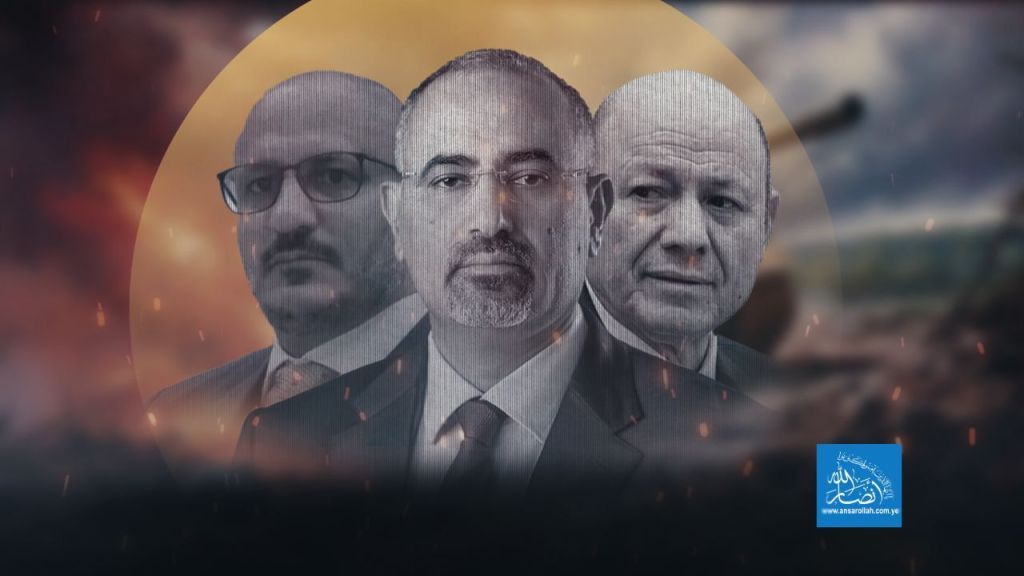
Saudi Arabia required only a few days of bombing and political pressure to dismantle the militias of the “Southern Transitional Council” and remove them entirely from the scene. These formations, long promoted as an imposed “reality on the ground,” collapsed rapidly. Their members scattered between fugitives and the pursued, while their leader, Aidarous al-Zubaidi, was declared wanted for trial, hunted, and without shelter. The UAE did not open its doors to him, nor could his militias provide even the illusion of protection, leaving him as a living symbol of the mercenary’s betrayal once his role had ended.
The scene reached its climax with the arrest of the Transitional Council’s delegation in Riyadh, where they were forced to issue a statement announcing the dissolution of the council and the closure of its offices inside and outside Yemen. This statement was not merely a political declaration, but a death certificate for an entity hastily created and stripped of cover with equal speed once its usefulness expired.
The fate of Saudi-backed militias affiliated with the Islah Party was no better. These forces, which for years had guarded oil looting operations in Hadramawt and paid heavy sacrifices in the service of the occupier, suddenly found themselves pushed out of the picture. They were replaced by newly formed militias under the name “Homeland Shield,” as if the previous chapter had been nothing more than a fleeting episode in a ledger of attrition. There was no recognition of sacrifices, no acknowledgment of losses—only a cold decision to recycle tools.
In Yemen, not only has the truth of the aggression been exposed, but so too have the ethics of the mercenaries and those who employ them. It is a story repeated in every war waged by proxy: the mercenary fights without a cause and is cast aside without mercy, while the land alone bears witness that whoever sells himself is ultimately sold at a cheap price.They Do Not Welcome the Advisers
Here, the early warnings of the leader al-Sayyid Abdul-Malik Badruddin al-Houthi come into focus—warnings issued long ago but met with deaf ears. While hypocrites were united in targeting the Yemeni revolution, Yemenis understood that the moment of collision among these tools was inevitable in a camp bound together only by mercenarism and betrayal.
Today, the scene is fully exposed. Those who waged war on Yemen under the banner of “legitimacy” were nothing more than instruments in an external project. When their expiration date arrived, they were discarded without hesitation, leaving Yemenis alone as the holders of the correct position from the very beginning.Ansarollah.com.ye report
-
STC Announces Self-Dissolution Ahead of Saudi-Mediated Dialogue
In a significant political development, the UAE-backed Southern Transitional Council (STC) announced its dissolution on Friday, along with all its primary and subsidiary bodies and offices, both domestically and abroad.
The announcement followed a meeting of the STC’s Presidency, Supreme Executive Leadership, General Secretariat, and other affiliated bodies held in Riyadh. The meeting was convened to assess recent events in the Hadramawt and Al-Mahra governorates and the subsequent rejection of de-escalation efforts.
The STC’s statement indicated the decision was based on the Saudi Foreign Ministry’s announcement to sponsor a comprehensive southern dialogue to resolve the so-called “Southern Issue.” The move aims to preserve the future of this cause and maintain social peace and security in the occupied southern provinces, neighboring countries, and the region.
The council clarified that it was established to champion the cause of the southern people, represent them, and lead them toward achieving their aspirations—not as a tool for authority, monopolizing decision-making, or excluding others. It stated that the goal has always been, and remains, achieving the declared objective rather than clinging to the organizational structure itself.
Furthermore, the announcement stated that the STC did not participate in the decision for the military operations witnessed in Hadramawt and Al-Mahra, which reportedly harmed southern unity and strained relations with the Saudi-led coalition. This led to the conclusion that the council’s continued existence no longer served its founding purpose under the current circumstances.
Citing “historical responsibility,” the STC’s Presidency announced the dissolution of the council and all its entities and offices. It declared its intention to now focus on preparing for a comprehensive southern dialogue conference under Saudi sponsorship, considering this the alternative pathway to achieving a “just southern goal.”
The statement praised Saudi Arabia’s commitments and dedication to sponsoring this path and called on various southern figures and leaders to engage in the dialogue conference to eventually form an inclusive southern framework and a shared vision.
It also urged the people of Aden and other occupied southern provinces to recognize the sensitivity of the current phase, intensify efforts to maintain social peace, and prevent any chaos or security disturbances, affirming their continued service to the “Southern Cause.”
The STC’s self-dissolution marks a major concession and strategic shift, likely driven by intense pressure from its primary backer, the United Arab Emirates, and the coalition leader, Saudi Arabia. The move aims to reset the political landscape in southern Yemen amid growing internal fractures, particularly highlighted by recent clashes in Hadramawt and Al-Mahra involving STC-aligned and other Southern forces.Al Masirah report

-
Trump & Residue of Pahlavi dynasty stirring bad blood in Iran; protesters out of kilter
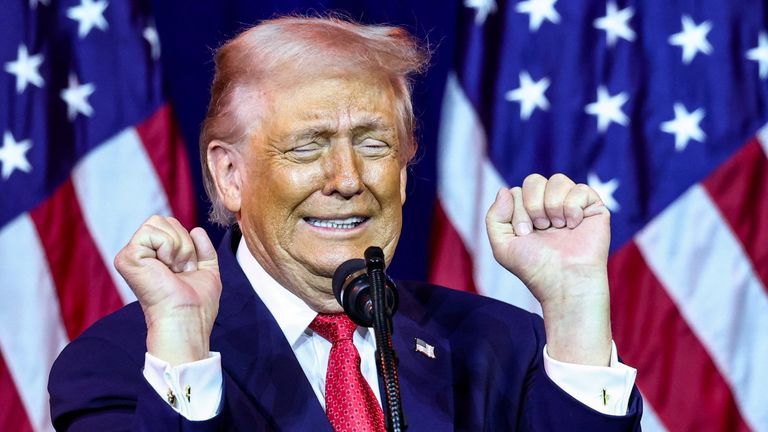
Iran signaled Friday that security forces would crack down on vandalising protesters, directly challenging U.S. President Donald Trump’s pledge to support those peacefully demonstrating as the death toll rose to at least 62.
Supreme Leader Ayatollah Ali Khamenei dismissed Trump as having hands “stained with the blood of Iranians” as supporters shouted “Death to America!” in footage aired by Iranian state television. State media later repeatedly referred to demonstrators as “terrorists,” setting the stage for a violent crackdown like those that followed other nationwide protests in recent years.
Protesters are “ruining their own streets … in order to please the president of the United States,” the 86-year-old Khamenei said to a crowd at his compound in Tehran. “Because he said that he would come to their aid. He should pay attention to the state of his own country instead.”
Iran’s judiciary chief Gholamhossein Mohseni-Ejei separately vowed that punishment for protesters “will be decisive, maximum and without any legal leniency.”
There was no immediate response from Washington, though Trump has repeated his pledge to strike Iran if protesters are killed, a threat that’s taken on greater significance after the U.S. military raid that seized Venezuela’s Nicolás Maduro.AP NEWS full report with video

Photo shows a public transport vehicle set ablaze by rioters in Iran’s western city of Ilam on January 6, 2025. (Photo: IRNA) PressTV report -
US special PIRACY forces launch raid on ANOTHER oil tanker with ‘Russian links’
The US Coast Guard seized the oil tanker Olina from Russia’s “shadow” fleet. The Olina had previously left Venezuela and was returning to the region.
In a pre-dawn operation, marines and sailors from Joint Task Force Southern Spear, launched from the aircraft carrier USS Gerald R. Ford, apprehended The Olina in the Caribbean Sea “without incident”, US Southern Command said on X.
An industry source said The Olina departed Venezuela last week fully laden with oil as part of a flotilla shortly after the US seized Venezuelan President Nicolás Maduro on January 3, before later heading back towards Venezuela following Washington’s blockade of the country’s oil exports.
The United States imposed sanctions on the tanker in January last year, when it was operating under the name Minerva M, after Washington said it was part of the so-called “shadow fleet” of vessels accused of sailing with little regulation or known insurance.Express report
-
With Maduro gone, the US looks to drive Hezbollah out of Venezuela
The z¿?onist tint, or the Jewish Lobby –
Venezuelan president Nicolas Maduro’s capture also marks an advance towards the US goal of uprooting Lebanese Shiite group Hezbollah from Latin America, where the movement stands accused of criminal activities linked to drug trafficking, arms sales and money laundering. Washington has warned that it will no longer tolerate the presence of Hezbollah or its Iranian backers in Venezuela.
The shockwaves unleashed by the deadly US strikes on Caracas and the capture of Venezuelan president Nicolas Maduro were felt all the way to the southern suburbs of Beirut, the stronghold of Lebanese Shiite group Hezbollah
Washington has used Maduro’s abduction to send an unmistakable signal to the militant group’s leadership as well as its Iranian backers, with Secretary of State Marco Rubio directly threatening them the morning after the attack.
“It’s very simple,” he told US broadcaster CBS. “In the 21st Century, under the Trump administration, we are not going to have a country like Venezuela in our own hemisphere in the sphere of control and the crossroads for Hezbollah, for Iran and for every other malign influence in the country, in the world. That’s just not going to exist.”
Rubio later told NBC News that the new dispensation would mean the outright elimination of any Hezbollah or Iranian presence on Venezuelan soil, where they have been welcomed for the past three decades in the name of a shared antipathy to the United States. The US designated Hezbollah as a foreign terrorist organization in 1997.Rubio called on the Venezuelan regime – now under the interim leadership of Maduro’s vice president, Delcy Rodriguez – to break with both Iran and Hezbollah. The Islamic Republic, facing mounting protests first triggered by a cost-of-living crisis, has also found itself under pressure, with US President Donald Trump even threatening to intervene if Iranian security forces kill peaceful protesters.
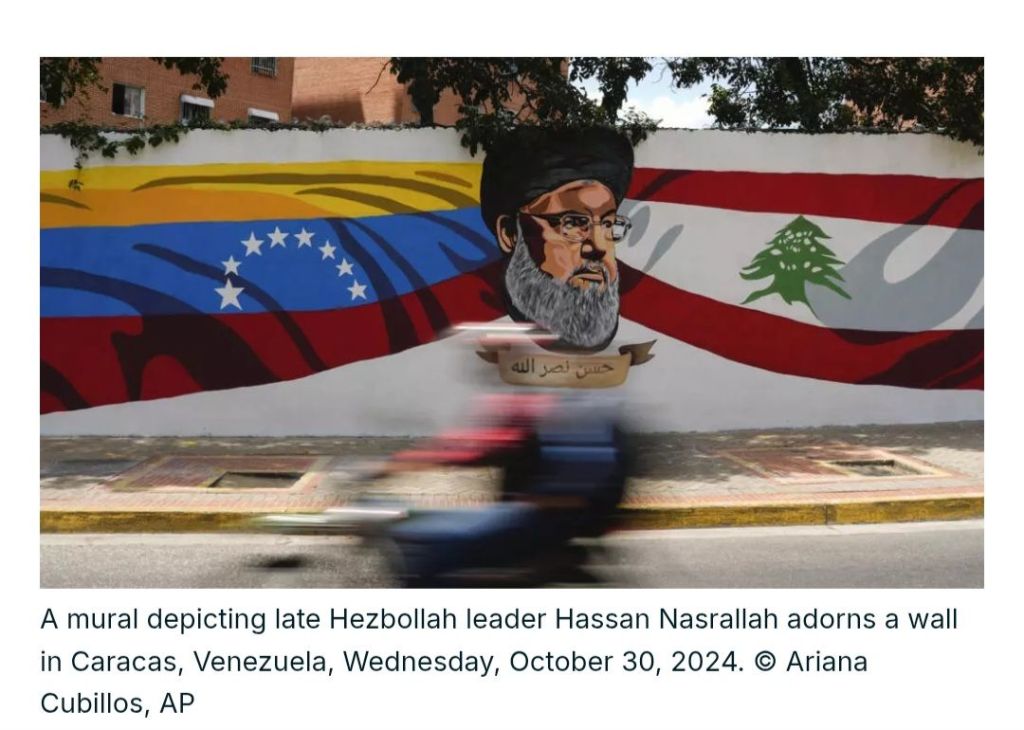
The US has long been monitoring Hezbollah’s activities in the region. The US Drug Enforcement Administration (DEA) has said since 2008 that the movement, then led by Hassan Nasrallah, had been financing itself through drug-trafficking, arms sales and money laundering across Latin America and beyond. According to DEA figures, these activities earned Hezbollah about $1 billion a year.
As for Venezuela in particular, US investigators say that Maduro was even more permissive than his predecessor, Hugo Chavez, and that Venezuela had become a safe haven for the Shiite movement, which reportedly set up command structures in the capital Caracas.
Both Venezuela and Hezbollah have strongly denied these allegations, with the latter insisting that drug trafficking and related activities are “forbidden by Islam”. Despite this, the self-described “Party of God” appeared to have played a key role, alongside Bashar al-Assad’s regime, in trafficking the illicit drug captagon across the Middle East during the Syrian Civil War.FRANCE24 full report
-
zion¿st Enemy Launches Fresh Attacks on Lebanon in Premeditated Breach of Ceasefire
Al-Manar correspondent reported that zion¿st warplanes launched a series of airstrikes on Kfar Fila, as well as the heights of AL-Jabbar and Al-Rihan in south Lebanon.Elsewhere in Bekaa, the Israeli warplanes also struck the outskirts of Nabi Sheet and Brital, according to our correspondent in Bekaa, eastern Lebanon.
Earlier on Friday, Israeli occupation forces infiltrated some 1,500 meters into the Lebanese territory and blew up a partially damaged house in the southern Lebanese town of Yaroun.
Earlier on Thursday evening, the occupation forces also fired an incendiary flare near a park in the southern border town of Maroun Al-Ras, which led to a fire.
The attack on Thursday was preceded by another, when an Israeli drone attack on a car on Bnaafoul-Zeita highway in Sidon district, South Lebanon, left one martyr.
The Israeli enemy continues to bomb Lebanon, mainly the country’s south, almost daily and maintains occupation over five posts along the southern border, in violation of a ceasefire deal reached following the 2024 Israeli war.
More than 340 people have been martyred by Israeli attacks since November 2024, according to toll released by Lebanon’s Health Ministry.
Source: Al-Manar English Website
-
After Undercounting Boat Strike Killings, U.S. Military Updates Death Toll
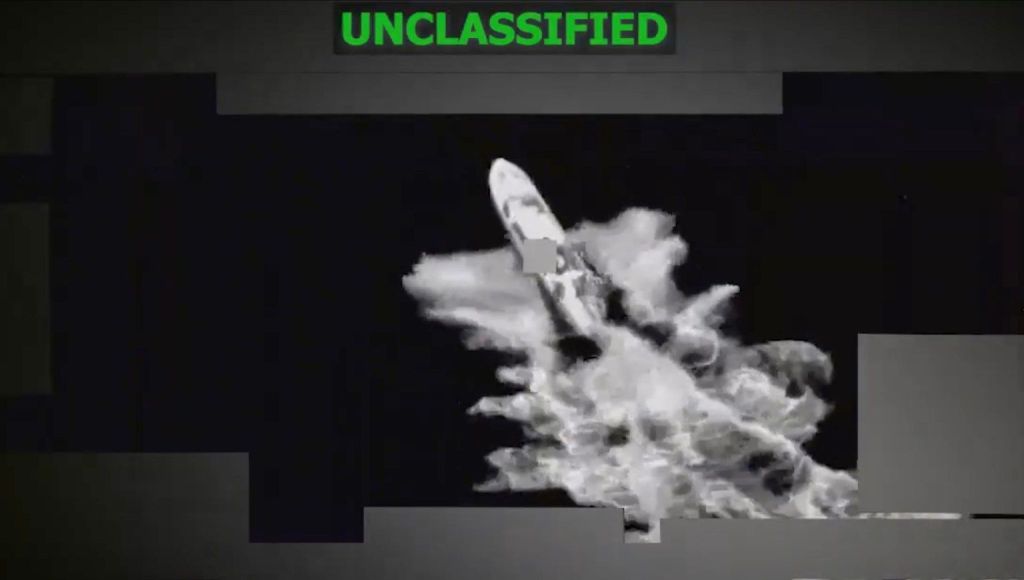
After questions from The Intercept, U.S. Southern Command updated its count of civilians killed in boat strikes to 123.
The United States killed 11 civilians in boat strikes on December 30 — eight more people than previously reported, according to new figures provided exclusively to The Intercept by Col. Emanuel Ortiz, Southern Command’s chief of public affairs. This attack on three vessels represents one of the largest single-day death tolls since the U.S. military began targeting alleged drug smuggling boats last September. The U.S military has now killed 123 people in the campaign.
The intercept full report
-
Updates: ‘Don’t need international law,’ Trump says after Maduro abduction
Trump’s plan to macro-manage Venezuela –
White House says, “we will dictate decisions in Venezuela.”
US seizes two sanctioned oil tankers: ‘Ghost fleet’ vessels linked to Venezuela raided -
Speaker Berri: South Lebanon Needs Army, zion¿st Enemy Hinders Army Deployment
zion¿st occupation drone attack on a car on Bnaafol-Zeita highway, South Lebanon, leaves one martyr: health ministry.
Lebanese Speaker Nabih Berri voiced support on Thursday to Lebanese Army announcement regarding its plan south of Litani River, stressing that it would have been nearly complete were it not for zion¿st attacks.
In a statement, Speaker Berri said Lebanese Army achievements would have been nearly complete were it not for the Zionist entity’s occupation of Lebanese territory, its daily violations through bombardment and destruction, and the obstacles the enemy places in the national army’s path.
The Lebanese speaker also pointed to delay in in the arrival of the promised military capabilities to the Lebanese Army.
Speakr Berri stated that Israeli plots and ambitions in the south include, most recently, targeting UNIFIL forces and calling for an end to their presence, warning that the move threatens UN Security Council Resolution 1701 and its implementation.
Moreover, the House Speaker stressed that the south has repeatedly affirmed its need for the Lebanese Army’s presence and protection.He concluded the statement by addressing the Israeli enemy assaying: “Leave our land, vacate our skies, and Allah has spared the believers the evil of fighting.”
Earlier on Thursday, the Lebanese Army announced in a statement that its plan to confine weapons has entered an advanced phase after achieving the objectives of the first stage on the ground, noting that the Israeli violations negatively impact the implementation of the plan.
Source: Al-Manar English Website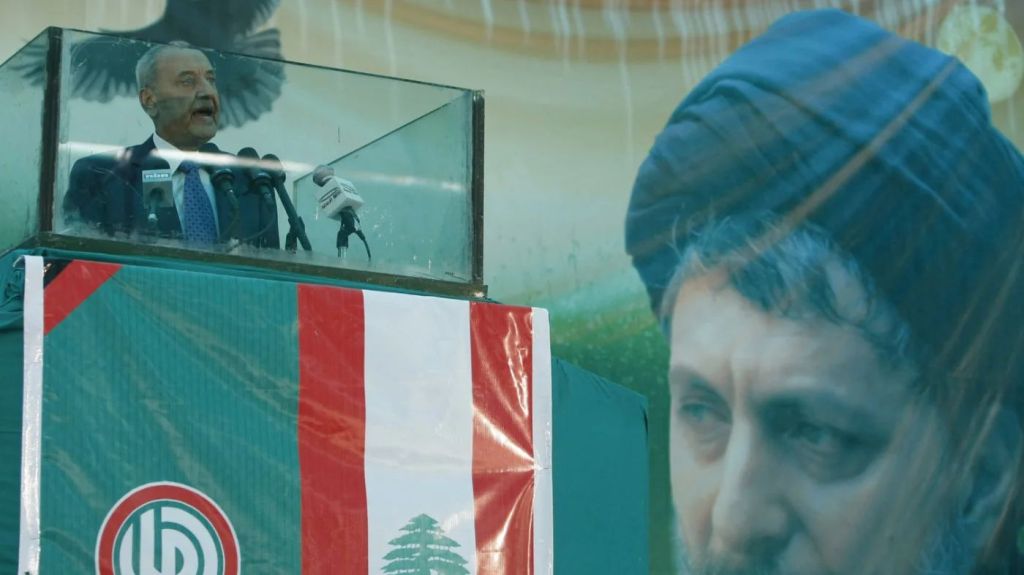
Nabih Berri giving a speech -
Deadly Clashes Hit Aleppo as Two US-Backed Sides Battle for Control – SDF vs HTS
The scale of destruction has been severe, with civilians continuing to bear the brunt of the fighting.
More than 300 houses have been completely destroyed or partially destroyed in Kurdish neighbourhoods.
Jolani’s Hay’at ’at Tahrir al-Sham (HTS) terrorists have carried out a large-scale offensive against Aleppo’s Kurdish neighborhoods controlled by the US-backed Syrian Democratic Forces (SDF), as insecurity persists across the Arab country a year after the ouster of former president Bashar al-Assad.
HTS forces launched a major assault on Aleppo’s predominantly Kurdish neighborhoods of Ashrafieh and Sheikh Maqsoud on Thursday, as clashes with SDF fighters entered their third day.
The confrontations underscore the continued failure to integrate the SDF forces into those of the HTS, as well as the heavy toll inflicted on civilians caught in the crossfire.
Damascus announced “concentrated operations against SDF positions in the neighborhoods of Sheikh Maqsoud, Ashrafieh, and Bani Zeid after 1:30 p.m.,” alongside a curfew beginning at the same time “until further notice.”
Heavy attacks over the past three days have so far displaced thousands of people and killed at least 12 individuals, including two civilians on Thursday morning.
The SDF, the main US partner in the Arab country, reportedly targeted the positions of Syrian regime forces on the outskirts of Ashrafieh using drones. Some Kurdish sources said a number of regime forces had been captured inside Aleppo’s al-Suryan neighborhood.
The sources also spoke of a heavy counterattack by SDF forces against the regime troops on the outskirts of Ashrafieh, resulting in the retreat of forces affiliated with Syria’s regime.
Despite earlier claims by Syrian regime forces that no major offensive had begun, Kurdish security forces reported attempts by tanks and armored vehicles to break through the neighborhoods.
The scale of destruction has been severe, with civilians continuing to bear the brunt of the fighting.
“More than 300 houses have been completely destroyed or partially destroyed. All types of weapons have been used in this war, including bombs and tanks. The intense fighting is ongoing in both neighborhoods,” said Nouri Sheikho, the co-chair of the council administering Sheikh Maqsoud and Ashrafieh.
HTS-linked media, however, claimed that HTS forces were assisting civilians fleeing alleged SDF fire, a narrative rejected by Kurdish officials amid mounting civilian losses.
The violence reflects the breakdown of negotiations between Damascus and the SDF over a March agreement to integrate the Kurdish force into HTS forces.
The March agreement stipulated full integration by the end of 2025, and some SDF fighters left Aleppo neighborhoods in April under the deal as officials in Damascus reported no tangible progress after Sunday’s talks.
Disputes have centered on the SDF’s demand to remain under Kurdish command, enter as a bloc rather than be dissolved and conscripted, and preserve a decentralized system granting autonomy in north and east Syria.
Clashes have flared intermittently for months, with mutual accusations of obstruction. Last month, Damascus proposed absorbing the SDF’s roughly 50,000 fighters as intact divisions and brigades, in exchange for relinquishing parts of its command structure and allowing Syrian army units into oil-rich, US-occupied northern and eastern Syria.
The SDF reportedly rejected the offer, stating earlier this year that talks produced no “tangible results.”
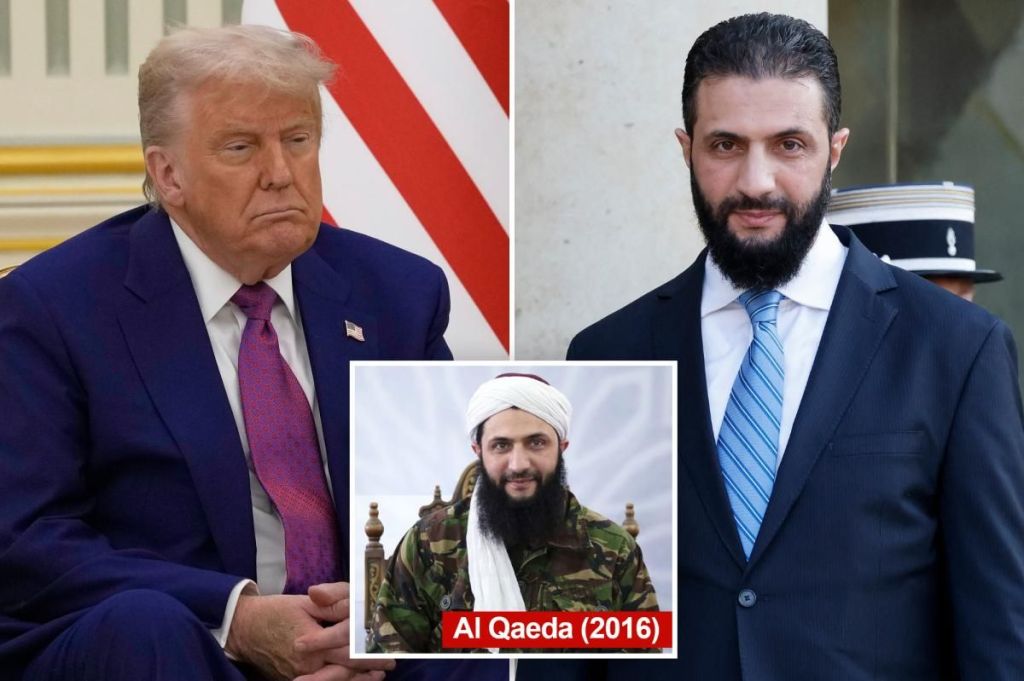
The intense clashes underscore both Washington’s destabilizing influence in Syria and the ongoing civilian suffering caused by Kurdish forces and those loyal to former al‑Qaeda member Abu Mohammad al‑Jolani, who now leads the current HTS‑led regime in Damascus.Al Masirah report
-
Subscribe
Subscribed
Already have a WordPress.com account? Log in now.
 Nascent Yemen