Two Yemeni civilians and an African migrant were reportedly wounded by Saudi army fire in Yemen’s northern Sa’adah province on Friday, according to a correspondent for Almasirah TV.
The report stated that one of the Yemeni citizens was injured in the border district of Shida. In a separate incident in the Qataber border district, near the Al Thabit area, another Yemeni citizen and an African migrant sustained serious wounds from Saudi gunfire.
This incident follows the reported death of a young man last Wednesday in the Munabbih border district, killed by a mortar shell fired by the Saudi army at travelers near the Al Sheikh area.
The attack comes amid continued Saudi sniper fire, artillery, and rocket strikes targeting border districts including Shada, Razeh, Manbah, and Qatabir. Local sources confirm that civilians and farmers are repeatedly exposed to these direct assaults, turning the border regions into active combat zones.
Medical sources described the victim’s condition as critical, reflecting the broader humanitarian consequences of Saudi aggression, which persists despite international laws and conventions aimed at protecting civilians.
Observers note that these attacks appear to be a deliberate strategy by the Saudi military to compensate for its operational setbacks by targeting unarmed populations, terrorizing communities, and exerting psychological pressure on border residents.
Border areas in northern Yemen have long been under frequent Saudi fire, with civilians bearing the brunt of sniper attacks and artillery shelling. Humanitarian organizations report that these regions experience ongoing insecurity, and incidents like today’s shooting underscore the risks faced by residents and the failure of international oversight to prevent deliberate targeting of civilians.
Al Masirah report
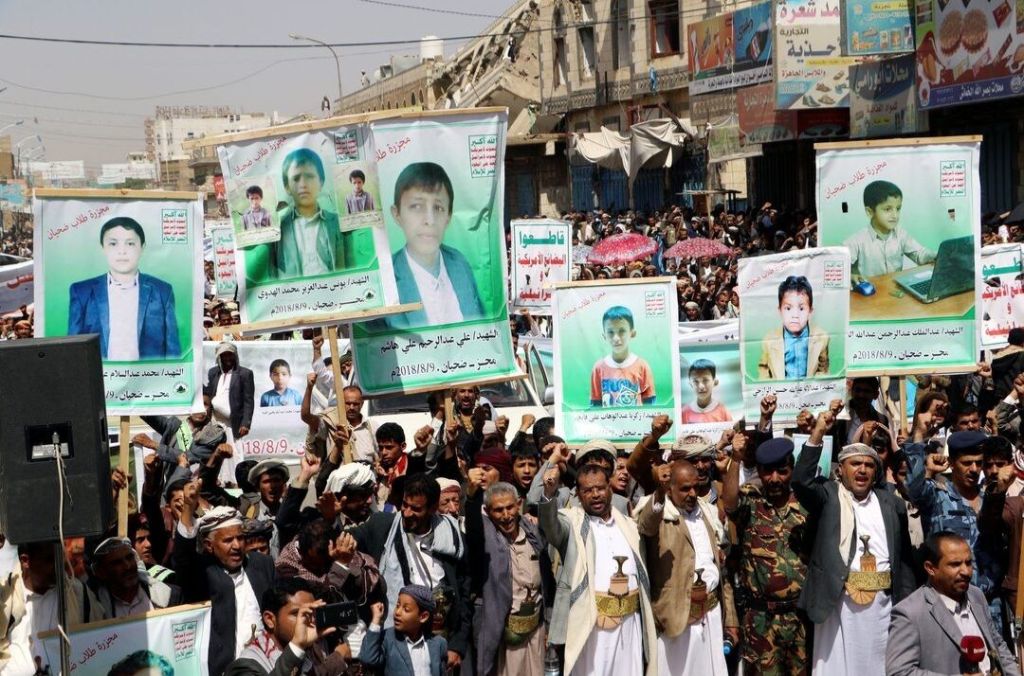
the Saudi-led coalition to pay compensations for victims of an air strike in Saada, Yemen September 5, 2018. REUTERS
 Nascent Yemen
Leave a comment