History does not forgive traitors, and the occupier preserves loyalty to no one.
In the shadow wars that define modern proxy conflicts, the value of men is not measured by what they give, but by how long they remain useful in the calculations of those who hire them. Mercenaries—regardless of nationality, banners, or the nature of the missions assigned to them—share a single fate: a cold ending, written with the same ink of betrayal that signed their undeclared contracts. Once their utility expires, they are discarded from the equation like worn-out tools that no longer serve the game of interests.
This reality has now been laid bare in Yemen, stripped of masks and political cosmetics. When the United Arab Emirates found itself cornered under Saudi arrogance and pressure, it did not hesitate to abandon its mercenaries, leaving them exposed to face their fate alone. The abandonment was not surprising so much as it was revealing, exposing the naked truth of the relationship between financier and mercenary: no loyalty, no protection, not even acknowledgment of the services rendered.
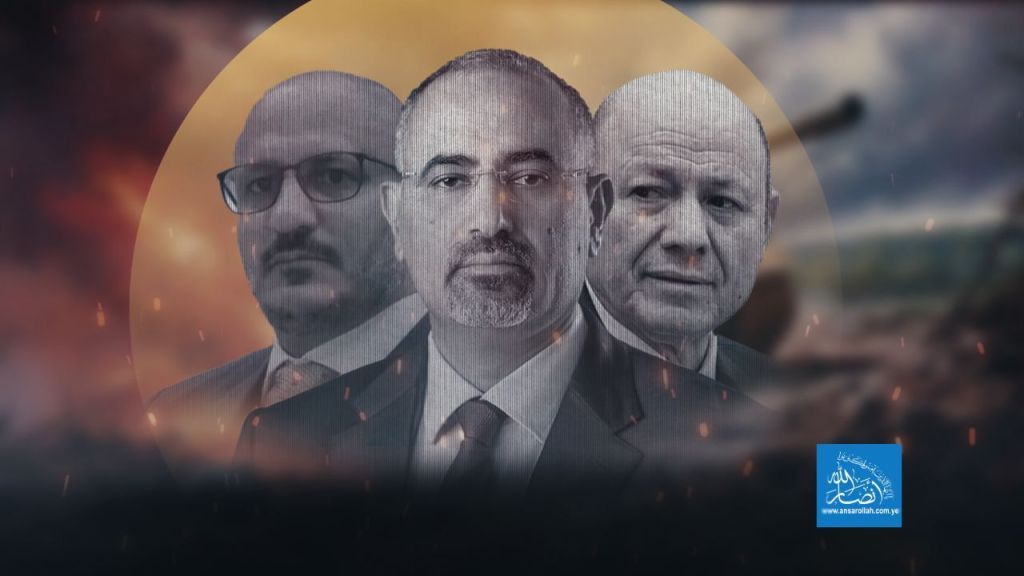
Saudi Arabia required only a few days of bombing and political pressure to dismantle the militias of the “Southern Transitional Council” and remove them entirely from the scene. These formations, long promoted as an imposed “reality on the ground,” collapsed rapidly. Their members scattered between fugitives and the pursued, while their leader, Aidarous al-Zubaidi, was declared wanted for trial, hunted, and without shelter. The UAE did not open its doors to him, nor could his militias provide even the illusion of protection, leaving him as a living symbol of the mercenary’s betrayal once his role had ended.
The scene reached its climax with the arrest of the Transitional Council’s delegation in Riyadh, where they were forced to issue a statement announcing the dissolution of the council and the closure of its offices inside and outside Yemen. This statement was not merely a political declaration, but a death certificate for an entity hastily created and stripped of cover with equal speed once its usefulness expired.
The fate of Saudi-backed militias affiliated with the Islah Party was no better. These forces, which for years had guarded oil looting operations in Hadramawt and paid heavy sacrifices in the service of the occupier, suddenly found themselves pushed out of the picture. They were replaced by newly formed militias under the name “Homeland Shield,” as if the previous chapter had been nothing more than a fleeting episode in a ledger of attrition. There was no recognition of sacrifices, no acknowledgment of losses—only a cold decision to recycle tools.
In Yemen, not only has the truth of the aggression been exposed, but so too have the ethics of the mercenaries and those who employ them. It is a story repeated in every war waged by proxy: the mercenary fights without a cause and is cast aside without mercy, while the land alone bears witness that whoever sells himself is ultimately sold at a cheap price.
They Do Not Welcome the Advisers
Here, the early warnings of the leader al-Sayyid Abdul-Malik Badruddin al-Houthi come into focus—warnings issued long ago but met with deaf ears. While hypocrites were united in targeting the Yemeni revolution, Yemenis understood that the moment of collision among these tools was inevitable in a camp bound together only by mercenarism and betrayal.
Today, the scene is fully exposed. Those who waged war on Yemen under the banner of “legitimacy” were nothing more than instruments in an external project. When their expiration date arrived, they were discarded without hesitation, leaving Yemenis alone as the holders of the correct position from the very beginning.
Ansarollah.com.ye report
 Nascent Yemen
Leave a comment