On August 9, 2018, the Saudi-Emirati-led and US-British-backed coalition bombed a schoolbus in Saada’s Dayhan, annihilating more than 43 young lives aged between 4-14 years.
The bomb hit the bus on a crowded marketplace in broad daylight, killing more than 22 market visitors, injuring many more.
The coalition called the bombing of the schoolbus carrying children to summerschool a legitimate military target.
There were worldwide repercussions in the form of protests or political ventures, and many lawmakers and senators released tweet after tweet condemning the schoolbus bombing.
As with the previous vile bombings on Yemen, this, too, subsided, and the kids became another statistic in the Yemen War toll of the UN protocols; nameless, faceless.
With this post, I will attempt to give the children faces and names and honour their parents who lost too much.
Each year, in preparation to remember this tragedy, I start by the question, ‘How to commemorate a child’s death?’
The previous times, my research led me to many creative and thoughtful ideas. In the past years, on this day, the idea to release colourful environmentally friendly balloons seemed very sensible, and the previous year, it was the soaring of beautiful and poetic lanterns.
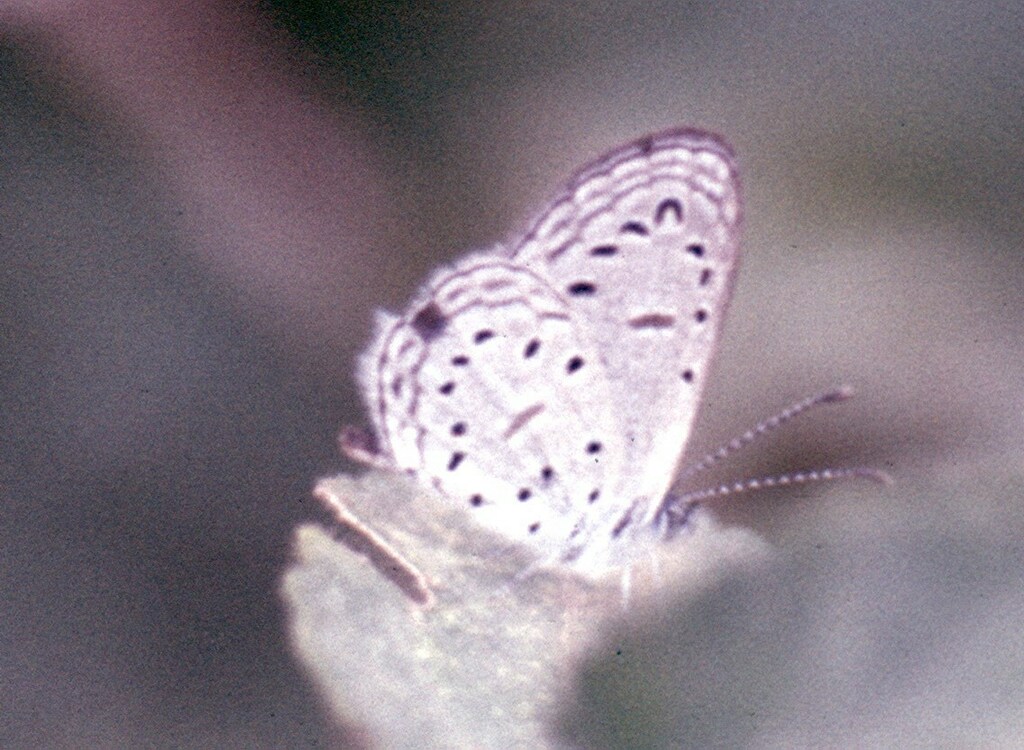
This year is butterfly themed.
Last year, I discovered an intriguing scientific homepage that focuses on Yemeni butterfly species, proving once again that everything about Yemen is awesome.
The butterflies, as shown in the colourful pictures, are another of Yemen’s many unique features.
How would a Yemeni mother deprived of her cub in a Saudi Arabian bombing view the idea of releasing butterflies to commemorate and releave the anguish?
A Chinese poem depicting the grief of a couple losing their baby boy to disease likened the child to an invaluable pearl between two leaves. Those parents used to let sleep their only child in between themselves at night.
I loved that poem that much. It will remain in my heart and mind like Yemen does, and in the way the Dayhan massacre children suffused all cavities.
Does life feel futile after an experience of this magnitude?
A father who had lost two young sons in the attack professed that he objected to sending his children to the summer school in that bus. He said there was a bad omen and dark thought hovering above.
His mind was preoccupied with the premonition of an impending catastrophe.
The father objected and recognised the futility in the faces of his excited sons. The father barely uttered his peace and blessings after the departing bus, 100 meters away, the bomb had cought the spirited young souls.

Yemeni children martyred after their vehicle was hit in Saada’s Dayhan town.
(Thursday, August 9, 2018)
Grieve can render speechless and powerless.
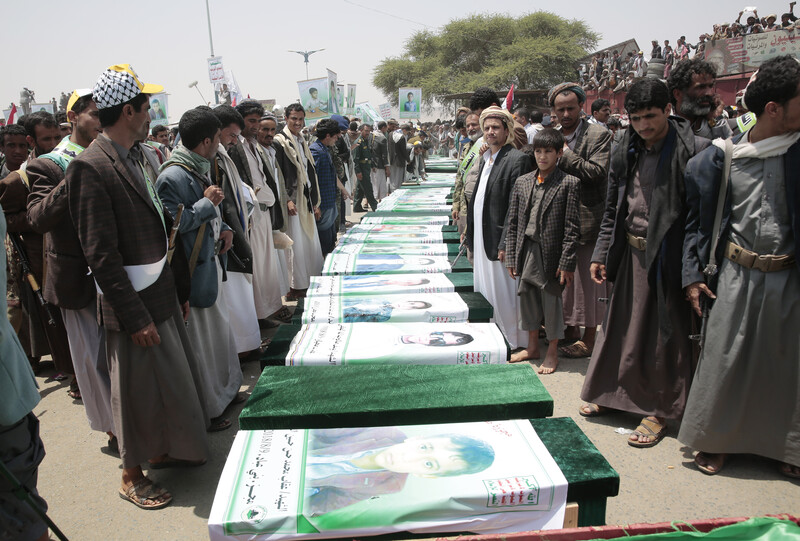
Following the bombing, unrecognizable bodies blackened by the explosives and covered in blood were loaded on top of each other on the back of a pick-up truck to enable the passage to the families and the loved ones.
To claim his child’s body and to end the dispute with fellow fathers, a man provided the denture prints of the deceased 10-year-old son.
They cought on camera the father’s breaking voice and tearful eyes while narrating the tragedy of identifying own blood and flesh amoung piled-up bodies.
Electronic Intifada report
Over 40 little graves were carved out for young bodies robbed of life. The skeleton of the schoolbus was erected and protected to remember the darkness of the human core.
Others have survived with little scar-covered faces or sacrificed limbs, lost dreams, and hopes.
Some returned back to the new school year with a cavity on their side instead of a student filling the desk and chair.
Others like Mokhtar drowned in trauma, unable to cope, refused the return to the classroom half of it placed in the grave yard.
Every Friday, families, friends, loved once meet at the place of their rest to pay respect, to place fresh colourful fragrant flowers, to lament and to complain about failed justice.

Bellincat report
France24 report
Jacobin report
BBC report
 Nascent Yemen
Leave a comment