Drivers in Israel have increased their rates by as much as threefold because of attacks by Israeli protesters on trucks heading towards Gaza, they said. Cargoes also often have to wait for days, either near their departure points in the occupied West Bank or the Kerem Shalom border crossing from Israel into southern Gaza to be inspected by Israeli soldiers and approved to enter the enclave, they added, further driving up costs.
The bulk of the money spent on importing food goes on ballooning trucking costs, according to the people interviewed. either pays off local criminal gangs or hires his own armed men to stand on top of the cargoes and ward off looters.
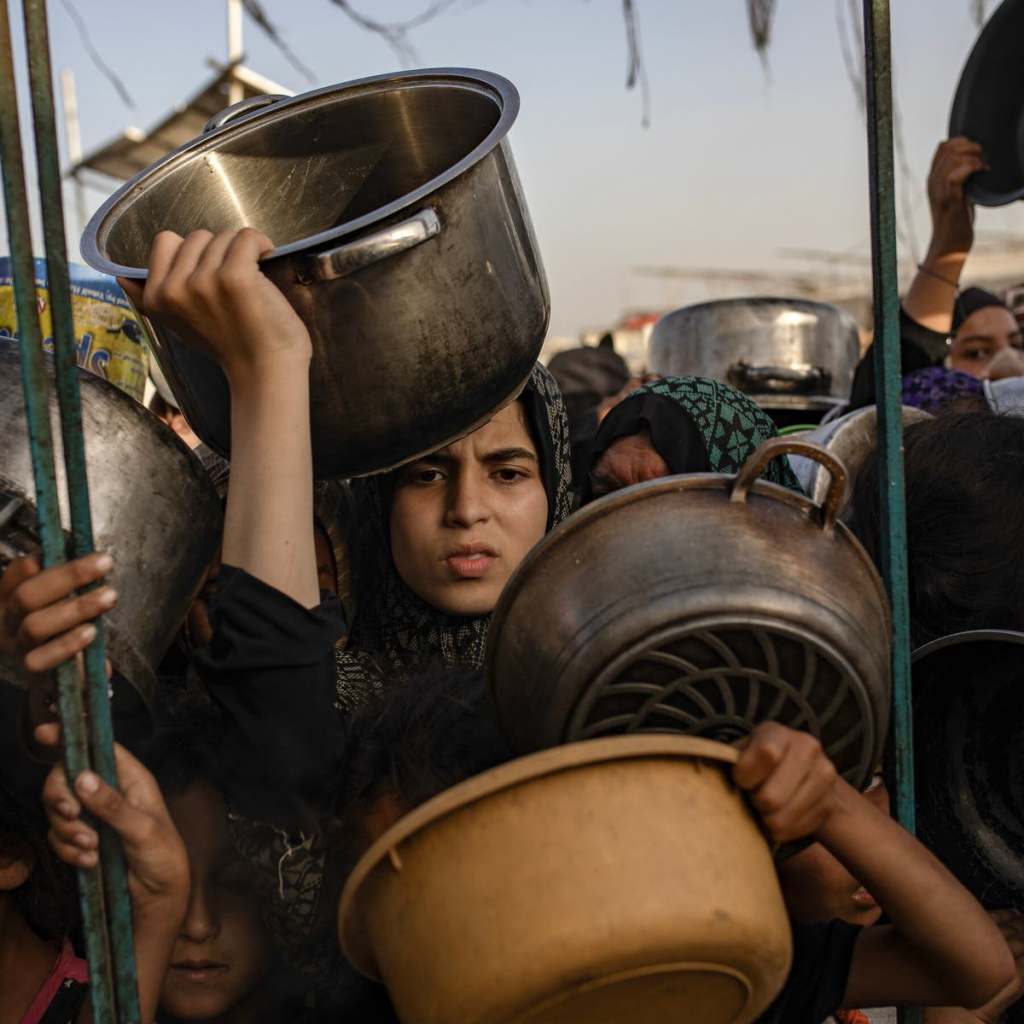
None of the private-sector goods have made it to northern Gaza, where aid agencies say hunger is most acute because the Israeli military has closed that area off to their commercial deliveries, all eight traders said.
Two aid workers confirmed the only food available in northern Gaza is aid, with no commercial goods for sale.
The U.N. supplies that are still getting through to Gaza, via Kerem Shalom or northern crossings, are far more vulnerable to criminal gangs because, unlike private businesses, U.N. agencies can’t pay for armed protection, according to six aid workers involved in coordinating food deliveries. One estimated that about 70% of the food trucks were being attacked.
More on the blocking of aid in Gaza by Israel:
 Nascent Yemen
Leave a comment