Today, Lebanon celebrates their resistance and libaration against the apartheid regime in occupied Palestine. In the year 1978, the United Nations watched the settlers of the apartheid regime in occupied Palestine march into the southern parts of Lebanon and occupy the territories for the next 22 years. Only through stealth resilience and unbreakable willpower have the people of Lebanon freed themselves from the occupational forces. This is an exceptional feat, as no other Arab nation had ever succeded in the demise of the Jewish occupational forces.
Let us imagine the disappointing impact of this for the rest of us joyful event on the British Empire.
The facts are clear: over 12 per cent of Lebanon’s population consists of Palestinian people, of which the majority live in the southern part of Lebanon.
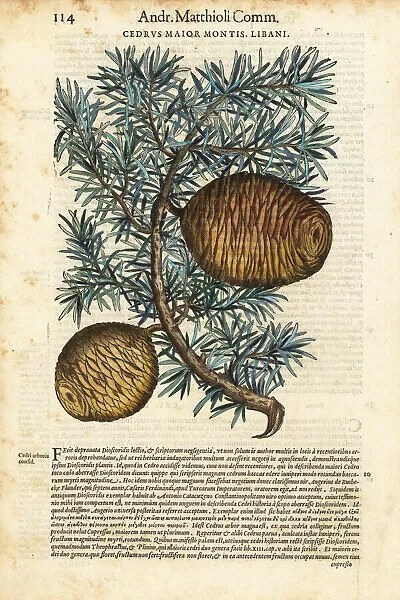
The Lebanese Cedar
The Lebanese spirit is incorporated in their national emblem – the Lebanese Cedar. The picture of the Cedar tree adorns the Lebanese currency and their flag.
However, Lebanon’s national symbol – the cedar tree – is threatened to disappear.
There are a total of less than twenty Lebanon cedar forests remaining. They are the only old-growth forests in the Middle East, with some trees being more than two thousand years years old.
One of these forrest received the UNESCO world heritage status. This particular forest of the Cedars of God is located on Mount Makmel, between 1900 and 2050 m altitude and to the east of the village of Bcharré. However, the main reason for the designation is that the predominant population in the area has Christian roots and not so much the significance of these splendid trees to the people of Lebanon as a unity.
 Nascent Yemen
Leave a comment