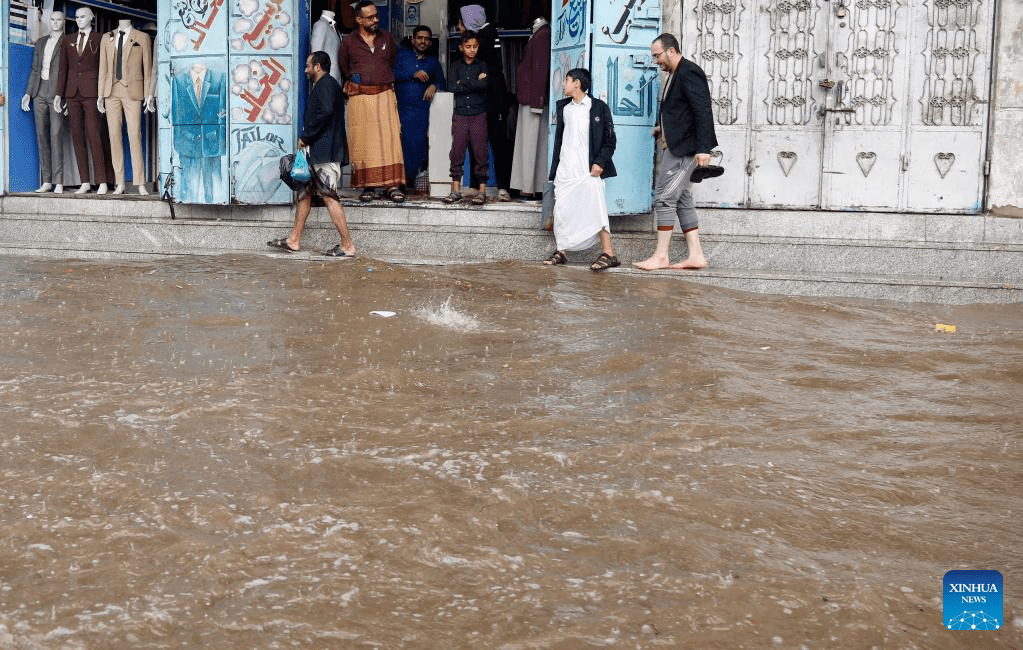
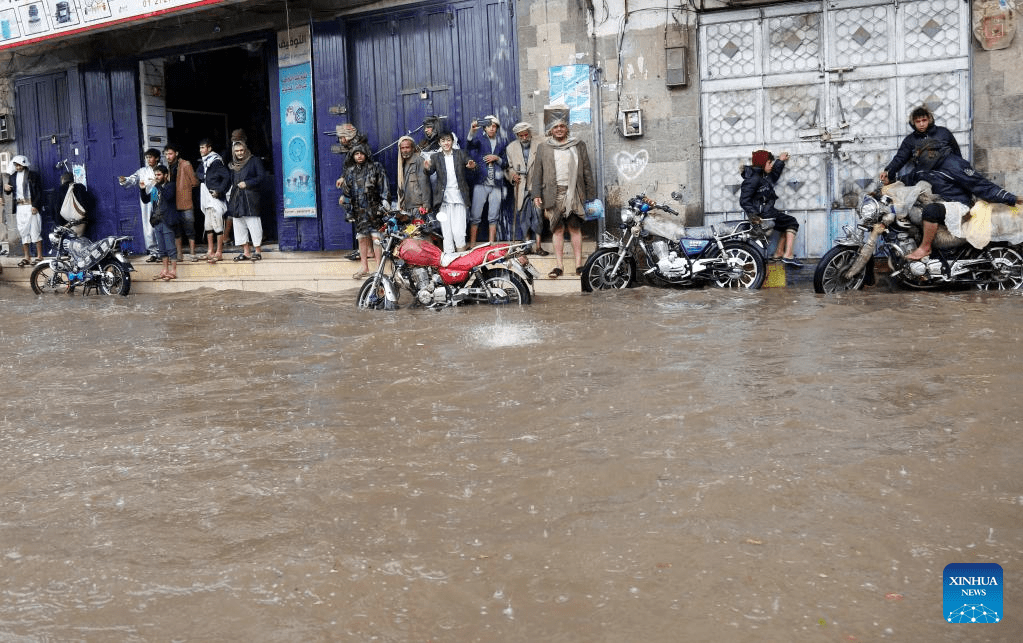
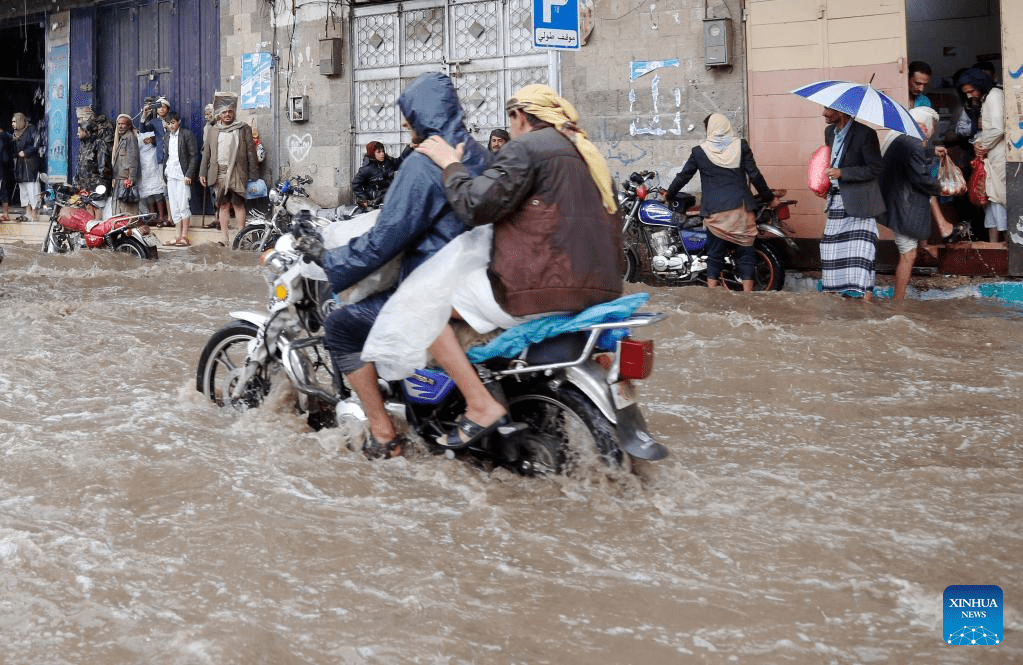
The rainy season had hit Yemen already in March 2023. Last week, heavy rains damaged parts of Hadhramaut and Shabwah governorates in the southern and eastern parts of Yemen. Every year, the region experiences heavy rain falls, causing buildings to collapse and destruction of vital infrastructure and livelihood. Yemen had been hit hard by the emergency of the worst Cholera epidemic in recorded history in October 2016. Though the recorded cased and those resulting in deaths having reduced meanwhile, the authorities have not managed to eradicate Cholera completely. Every year during the rainy seasons and floodings recorded Cholera cases drastically increase. The destruction of hygiene and sanitary facilities poses a big challenge to health and medical authorities and aid organisations in the war-ravaged Middle East country.
According to Conservative estimations set by various organisations, around 60.000 people had been affected by heavy rains and floodings last year. The meteorological forecasts had alarmed by then that the rainy season would last longer and that heavier rainfall was to be expected; they were right with their predictions last year, as the rainy season had not stopped until mid-September 2022, destroying vast ereas in Yemen, including ten buildings under UNESCO World Heritage protection in Old Sana’a. By then, too, the heavy rains started in March.
Though heavy rains affected nearly the complete Middle East region last year, the focus remained on Pakistan. The mainstream media ignored the Middle East entirely; even the charities I supported ignored Yemen. It was similar to the Turkey/ Syria earthquake, when major help and donations efforts went to Turkey.

 Nascent Yemen
Leave a comment